
A film does not need a major studio campaign to find viewers, but it does need a clear plan for reaching them. For independent filmmakers, online promotion can connect a project with people who enjoy its genre, themes, location, or cast. The challenge is choosing the right channels and giving audiences something worthwhile to share, rather than posting the same trailer everywhere and hoping it catches on.
Start with a specific audience
Before planning posts or press outreach, describe the viewers most likely to care about the film. A horror short may appeal to fans of practical effects and local film festivals. A documentary about food might interest community groups, chefs, and cultural publications. These audiences can overlap, but identifying a few core groups helps a team decide where to focus limited time and money.
Build a simple audience profile around interests and habits, not just age or location. Ask what similar films they watch, which creators or publications they follow, and what questions the film raises for them. This gives promotional material a useful point of view. A behind-the-scenes clip about a difficult night shoot, for example, may interest film enthusiasts more than another generic announcement that the movie is coming soon.
Make promotional material worth sharing
Trailers and posters matter, but they are only part of a campaign. A production can also create short interviews with its director, explain a visual effect, publish a location story, or share a concise guide to the issue explored in a documentary. Each piece should offer a reason to stop, watch, read, or pass it along.
Keep the work consistent with the film’s identity. A quiet drama may benefit from thoughtful stills and actor conversations; a fast-paced comedy may suit brief, energetic clips. Use captions so videos remain understandable without sound, and make sure the key information—release date, screening details, and where to watch—is easy to find. A steady schedule is usually more manageable than a burst of daily posts followed by silence.
Use social media with a clear purpose
Different platforms serve different jobs. One may help a filmmaker reach local screening audiences, while another is better for short video or conversations with genre fans. Choose channels based on where the intended viewers already spend time and what the team can maintain. Track a few meaningful signals, such as trailer completion, event sign-ups, or visits to a screening page, rather than judging success only by follower totals.
Some filmmakers hire outside help when promotion competes with production work. Before choosing a contractor, define the tasks: creating a content calendar, editing clips, moderating comments, or reporting results. Watch for social media manager red flags such as guaranteed viral reach, vague reporting, pressure to hand over account passwords without safeguards, or a strategy that ignores the film’s audience. Osdire’s practical guide to hiring a social media manager can help a small team compare experience, costs, and working arrangements before making a decision.
Earn attention beyond your own channels
A film’s website and social accounts are important, but discovery can also come through relevant publications, film blogs, community organisations, and festival sites. A useful pitch is specific: explain why the story fits that outlet’s readers and offer a resource that makes coverage easier. Depending on the project, that could be an interview, production photographs, a director’s perspective on a timely topic, or access to a knowledgeable expert.
This is where editorial links can support discovery. A link from a relevant article may help interested readers find the film’s screening information or background resources. The goal is not to collect links indiscriminately; it is to create material that a writer would genuinely want to cite. For practical approaches to research, digital PR, expert commentary, and other methods, see this overview of editorial link building strategies.
Make outreach personal and concise. Read the publication before pitching, address the editor or writer appropriately, and suggest a clear angle rather than sending a mass message. If the project has original research or a strong local connection, explain why that detail matters. A respectful follow-up is reasonable; repeated messages after no response are unlikely to improve the relationship.
Turn screenings into ongoing connections
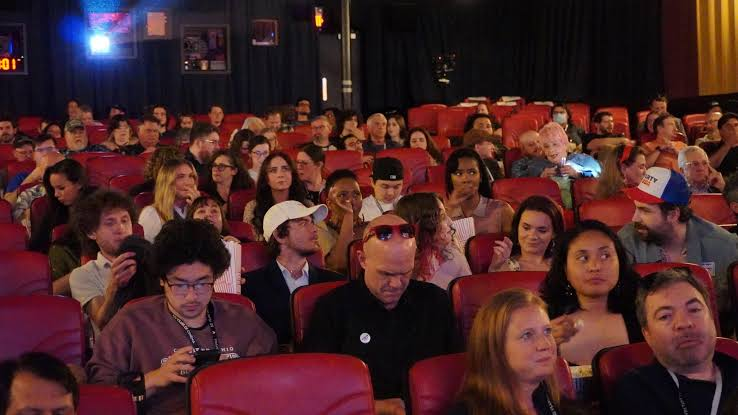
A screening can be more than a one-night event. Invite attendees to ask questions, share a short survey, or join an email list for future showings. With permission, collect audience reactions and use them in later updates. If the film addresses a community issue, a discussion with local voices can give the event value beyond the screening itself.
After each campaign activity, review what happened. Which posts led to ticket interest? Which outreach brought relevant coverage? Did viewers understand where and when to watch? These observations can shape the next release or screening without requiring a large analytics setup. Be careful to respect privacy and get consent before sharing audience photos or comments.
Build steadily, not noisily
Independent film promotion works best when each activity supports the same goal: helping the right viewers discover a film and decide whether it is for them. A focused audience, thoughtful content, selective platform use, and genuine media relationships can do more than constant posting. Start with the resources available, learn from each release, and keep the conversation going after the premiere.